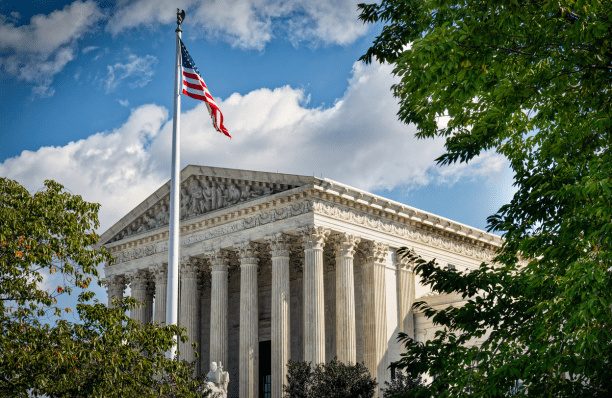
The Supreme Court will review Executive Order 14160, President Trump’s January 20, 2025 directive instructing federal agencies to deny automatic U.S. citizenship to children born in the United States if their parents are undocumented or temporarily present, including those on nonimmigrant visas. The Order, set to take effect February 19, 2025, was immediately blocked by multiple federal courts, and although the Supreme Court’s June 27, 2025 decision narrowed nationwide injunctions, it left intact more than a century of precedent affirming birthright citizenship, including the 1898 Wong Kim Ark ruling interpreting the Fourteenth Amendment.
After lower courts again held that the Order is unconstitutional, the Supreme Court announced on December 5 that it will take up the central question in Barbara v. Trump. The Court is expected to hear arguments in spring 2026 and issue a decision by June or July. If the Court upholds the Order, the resulting changes would be sweeping and immediate, including:
- Denial or delay of passports and Social Security numbers for U.S.-born children of temporary visa holders or undocumented parents
- Potential need for dependent visas for newborns who would otherwise have been automatic citizens
- Inconsistent or conflicting adjudications across DHS, DOS, SSA, and state agencies
- Disruption to onboarding, I-9 verification, benefits eligibility, and identity checks for employers and institutions
- Significant increases in litigation, including class actions and state-level challenges
- Widespread confusion for families navigating documentation, travel, healthcare enrollment, and childcare systems
A ruling in favor of the Executive Order would represent the most significant shift in U.S. citizenship law in more than 150 years, introducing legal uncertainty, documentation challenges, and operational disruptions across federal, state, and employer systems, with particularly acute effects for foreign national families.
Impact
Employers should plan for increased escalations, documentation delays, heightened employee concern, and the need to coordinate quickly with counsel as agencies recalibrate their processes.
WR Immigration is closely monitoring this case and will provide timely updates and guidance. Please reach out to your WR team with any questions or support needs regarding potential impacts on your employees or immigration programs, we’re here to help.

Subscribe to the WR Immigration Newsletters

Start the RFP Process

Join the Corporate Benchmarking Roundtable