
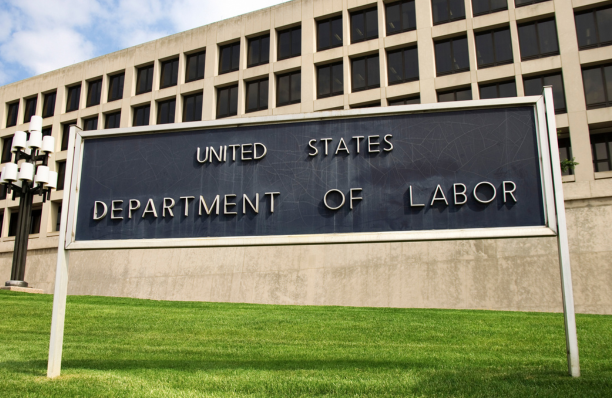
The Department of Labor (DOL) has taken the first formal step toward revising wage rules for the H-1B nonimmigrant and PERM labor certification programs. A proposed rule has been submitted to the Office of Management and Budget (OMB) for review—an early but meaningful milestone in the federal rulemaking process.
While the substance of the proposal remains confidential until publication, the implications are clear: employers should prepare for the possibility of higher prevailing wage requirements across both temporary and permanent employment-based immigration programs.
Prevailing Wages – The Critical Issue
According to DOL, the proposed rule would revise wage-setting methodologies used in the H-1B and PERM contexts. Although the agency has not released specifics, the likely objective is a restructuring of the prevailing wage system—potentially raising wage floors that govern:
- Minimum salaries paid to H-1B workers; and
- Wages that must be offered to U.S. workers in PERM labor certification cases.
This is not unfamiliar territory. In January 2021, during the final days of the first Trump Administration, DOL finalized a rule that significantly increased prevailing wages across all four wage levels. That regulation was swiftly challenged in court and ultimately abandoned following the change in administration. Although the Biden-era DOL initially signaled plans to issue its own prevailing wage proposal, the initiative was repeatedly delayed and eventually removed from the regulatory agenda.
It remains unclear whether the newly submitted proposal mirrors the 2021 rule or reflects a different policy approach.
What to Expect
The proposal is currently under review by OMB, which evaluates draft regulations for consistency with administration policy and cost-benefit considerations. If—and when—the proposal clears this review, DOL will publish it in the Federal Register for public comment, typically for a 30- or 60-day period.
DOL is required to meaningfully consider public feedback, though there is no fixed timeline for completing that review. Only after the agency finalizes the rule will it be published with an effective date, usually 30 or 60 days after final publication.
Critical Issues for Employers
For now, no rules have changed. But the submission to OMB signals renewed regulatory attention to prevailing wages—and a reminder that wage policy in business immigration remains highly fluid and politically sensitive. Employers relying on H-1B talent or planning PERM filings should monitor developments closely and be prepared to reassess compensation strategies if higher wage floors emerge.

Subscribe to the WR Immigration Newsletters

Start the RFP Process

Join the Corporate Benchmarking Roundtable