
Important: Domestic travel can carry different immigration risks depending on your status, immigration history, criminal history, and destination. Consult a qualified immigration attorney before travel if you have any status concerns, prior arrests or convictions, pending proceedings, or a removal order.
Domestic Travel Information for Green Card Holders
As a lawful permanent resident (LPR), you have more rights than most non-citizens, but your green card does not make you immune from arrest, questioning, or removal proceedings. A traffic stop in the wrong state, an old conviction, or signing the wrong form can create serious immigration consequences. Know your rights and risks before traveling within the United States.
What to Carry at All Times
Carry the following items with you at all times:
- Green Card (Form I-551): Federal law requires green card holders age 18 and older to carry proof of registration and present it when lawfully requested by an immigration officer. Your green card is also accepted by TSA as identification for domestic air travel.
- Additional ID: Consider carrying a state-issued REAL ID or enhanced driver’s license, or a valid foreign passport, as secondary identification.
- Your attorney’s phone number: Write it on paper and keep it with you. Do not rely only on having it stored in your phone.
At the Airport: TSA and Immigration Enforcement
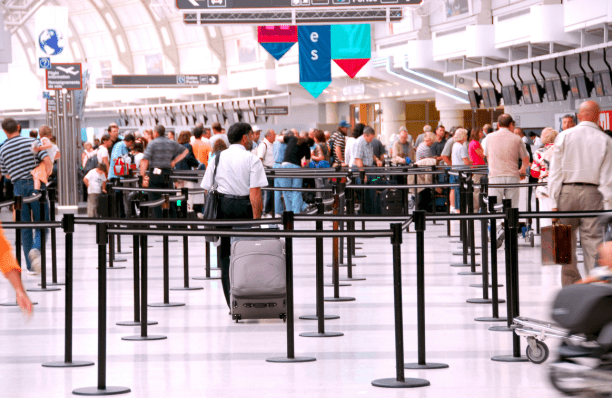
Domestic passenger information may be available to federal law-enforcement and immigration agencies. Immigration enforcement activity can occur at airports. Risk may be higher for travelers with a final removal order, an outstanding warrant, unresolved immigration issues, or criminal history. If any of these apply, speak with your immigration attorney before flying.
Facial Recognition Scans: Opt-Out for Domestic Travel
TSA uses facial recognition technology at many airports. For domestic screening, travelers may generally request manual identity verification instead of facial recognition. You may say: “I am opting out of facial recognition. I would like manual ID verification.” If needed, ask for a supervisor. Prior biometric information previously collected by DHS may remain in government systems.
Know Your Risk Factors
- Criminal history: Some convictions, pleas, or arrests can create immigration consequences. Never accept a criminal plea without first consulting an immigration attorney about the immigration impact.
- Traveling in higher-risk states: Some states, including Alabama, Texas, and Florida, have enacted laws or enforcement measures that may increase immigration-related risk during encounters with state or local law enforcement. Consult your attorney before traveling if you have any status concerns.
- Bus and train travel—the 100-mile zone: Border Patrol has broader authority near U.S. borders, including within the 100-mile border zone. This includes substantial portions of states such as Arizona, California, Texas, Florida, Michigan, New Mexico, and parts of New England. Encounters with immigration officers may occur on buses, trains, or at transportation hubs.
Domestic Travel Information for Visa Holders
Immigration enforcement at airports and transportation hubs makes it especially important for visa holders to understand their current status before traveling. Many people travel domestically without realizing that their I-94 has expired or that a change in employment, school enrollment, or authorized activity has affected their status.
Identification and Important Documents for Domestic Travel
- When flying, carry your valid foreign passport, a printed I-94 record, and any applicable I-797 approval notice.
- A valid foreign passport may be used as TSA identification for domestic travel. Your I-94 and I-797 approval notice are important immigration documents but are not, by themselves, TSA identification documents.
- Other TSA-accepted identification may include a state-issued REAL ID, state-issued Enhanced ID, Permanent Resident Card, Employment Authorization Document (EAD), or other DHS-issued identification.
- Keep a digital or physical backup copy of your immigration documents in case an original is lost or temporarily taken from you.
- A standard state driver’s license marked “Federal Limits Apply” may not satisfy federal REAL ID requirements for domestic air travel.
Visa holders age 18 and older should carry proof of registration/status. In many cases, a printed current I-94 is the most useful evidence. F-1 and J-1 students should also carry their Form I-20 or DS-2019, as applicable.
Your #1 Risk: An Expired I-94
Your I-94—not the visa stamp in your passport—generally controls how long you are authorized to remain in the United States. Check your I-94 expiration date before making travel plans. If your I-94 has expired, contact your immigration attorney before traveling.
You may fall out of status, for example, after:
- Changing employers without proper authorization or an approved/valid transfer filing, where required.
- Dropping below a required course load as an F-1 student without authorization.
- Working without authorization or outside the scope of approved employment.
- Remaining in the United States past the date shown on your I-94, even if the visa stamp in your passport remains valid.
- Relying on a pending application after your prior period of status has expired, without understanding whether you are in lawful status, a period of authorized stay, or accruing unlawful presence.
If your I-94 shows “D/S” (Duration of Status), your authorized stay depends on continuing to comply with the conditions of your nonimmigrant classification. Activity inconsistent with your visa category may create a status violation.
Other Risk Factors
- Criminal charges: Certain arrests, charges, or convictions—including drug-related offenses and some alcohol-related matters—can create serious immigration consequences. Consult immigration counsel promptly.
- Traveling in higher-risk states: Some states, including Alabama, Texas, and Florida, may present added immigration-enforcement risk. If you have any status concerns, consult your attorney before traveling.
At the Airport: TSA and Immigration Enforcement
Domestic passenger information may be accessible to federal agencies, and immigration enforcement can occur at airports. If you are out of status, in a period of authorized stay after status expiration, have a final removal order, or have another unresolved immigration issue, do not fly without first consulting your immigration attorney.
Facial Recognition Scans: Opt-Out for Domestic Travel
TSA uses facial recognition at many airports. For domestic screening, you may generally request manual identity verification instead. You may say: “I am opting out of facial recognition. I would like manual ID verification.” Ask for a supervisor if necessary. Previously collected biometrics may remain in DHS systems.
Domestic Travel Information for Undocumented Persons
Travel within the United States can involve significant immigration-enforcement risk for undocumented persons. Domestic flights, bus or train travel, and driving through certain jurisdictions may lead to encounters with immigration or law-enforcement officers. Speak with an immigration attorney before travel whenever possible.
At the Airport: TSA and Immigration Enforcement
Domestic passenger information may be accessible to federal agencies, and immigration officers may be present at airports. Risk can be especially serious if you have a final order of removal, a pending immigration matter, prior immigration violations, or criminal history. Do not fly without consulting an immigration attorney if any of these apply. If you decide to fly, be prepared for additional screening or questioning by TSA, CBP, ICE, or other officers.
Facial Recognition Scans: Opt-Out for Domestic Travel
TSA uses facial recognition at many airports. For domestic screening, you may generally request manual identity verification instead. You may say: “I am opting out of facial recognition. I would like manual ID verification.” Ask for a supervisor if necessary. Previously collected biometrics may remain in DHS systems.
Bus and Train Travel: The 100-Mile Zone
CBP and Border Patrol have broader enforcement authority within 100 miles of U.S. land and coastal borders. This zone covers a large share of the U.S. population and includes all or substantial parts of states such as Florida, Michigan, Arizona, California, Texas, New Mexico, and several New England states. Immigration officers may conduct enforcement activity on buses and trains in these areas. You may have the right to remain silent in some encounters, but refusing to answer questions can still lead to further questioning or detention depending on the circumstances. Consider this risk carefully before traveling through these areas.
Traveling in Higher-Risk States
Certain states—including Alabama, Texas, and Florida—have enacted laws or enforcement measures that may create added risk for undocumented persons during traffic stops or other encounters with law enforcement. Consult an immigration attorney before traveling through these states whenever possible.
Before You Travel
- Speak with an immigration attorney about your individual risk.
- Give a trusted person your travel plans and your attorney’s phone number.
- Make a care plan for children or other dependents in case you are detained.
- Write down and memorize your attorney’s phone number because you may lose access to your phone.
- Carry physical copies of important immigration documents, including documents showing any pending applications, lawful entry, or other relevant immigration history.
- Secure your electronic devices before travel and consider what sensitive personal information they contain.
General Reminder During Encounters With Officers
Do not sign documents you do not understand. Ask whether you are free to leave. You may request to speak with an attorney. The rights that apply depend on the location, the agency involved, your immigration history, and whether you are being detained or arrested.

Subscribe to the WR Immigration Newsletters

Start the RFP Process

Join the Corporate Benchmarking Roundtable