
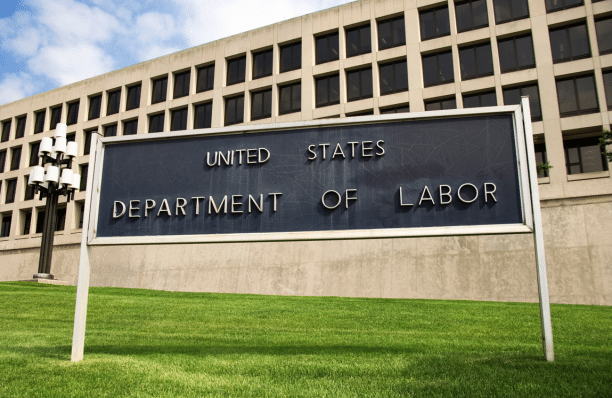
The Department of Labor (DOL) has announced that it will stop accepting new PERM applications and suspend processing of pending PERM applications involving Microsoft, Adobe, Cognizant, Infosys, Tata, Wipro, HCL, and Capgemini.
What the suspension covers
PERM is the labor certification process required for many EB-2 and EB-3 green-card cases. Employers generally must test the labor market and demonstrate that sufficient qualified U.S. workers are unavailable and that hiring the foreign national will not adversely affect comparable U.S. workers’ wages and working conditions. DOL handles this stage; USCIS adjudicates the subsequent Form I-140 immigrant petition.
At the October 8 announcement, administration officials alleged misuse of employment-based immigration programs by these companies and cited investigations. Those allegations should be distinguished from a final finding of wrongdoing. The public announcement does not establish the outcome of any investigation into these companies.
It is noteworthy that most of the named companies have been subject to immigration investigations that made it to the public eye in the past.
The legal framework and potential duration
DOL’s existing regulation, 20 C.F.R. § 656.31(b), permits it to suspend PERM processing in connection with investigations into possible fraud or willful misrepresentation. An initial suspension may last up to 180 days and can be extended while an investigation or judicial proceeding remains unresolved. These employers should therefore avoid assuming that processing will resume automatically after six months. The specific authority and duration applicable to these companies should be confirmed in DOL’s written notices.
What to monitor next
For now, the clearest conclusion is that DOL has announced a broad pause in PERM processing limited to these named major technology and outsourcing companies. This pause does not apply to all employers, but does signal the need for caution, especially for employers experiencing reductions in force.
The most consequential next developments will be DOL’s written description of the covered entities and applications, the duration of each suspension, and any administrative or court challenges. Separate agency action could change the treatment of approved certifications or other immigration benefits. Until those details are available, organizations should keep filing deadlines under review and base staffing decisions on case-specific advice.

Subscribe to the WR Immigration Newsletters

Start the RFP Process

Join the Corporate Benchmarking Roundtable